Ancient History Font for Web Design
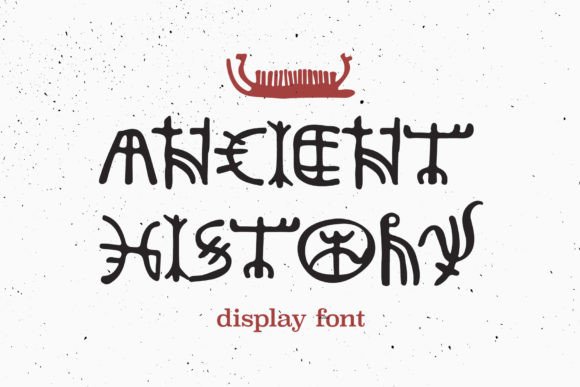
The Ancient History font brings a unique blend of historical character and modern appeal to digital design. As a display font, it’s crafted to stand out while maintaining readability, making it ideal for web designers looking to add personality to their projects without sacrificing usability.
This font features intricate details that evoke the look of ancient inscriptions, yet it remains legible on screens of all sizes. Its stylized serifs and bold strokes create a strong visual presence, perfect for drawing attention in hero sections or call-to-action areas.
Using Ancient History in Website Headers and Hero Sections
When designing website headers or hero sections, the Ancient History font can serve as a powerful focal point. Its distinct letterforms help establish a clear visual hierarchy, guiding users’ eyes toward key messages or brand names.
Consider using this font for headlines on landing pages or product pages where you want to convey a sense of tradition or uniqueness. It pairs well with minimalist layouts, allowing the font to take center stage without overwhelming the design.
For example, a boutique online store selling vintage-inspired products could use Ancient History in its header to reinforce the brand's theme. The font adds a touch of authenticity, aligning with the store’s identity and enhancing user engagement.
Enhancing Brand Tone and Visual Identity
The choice of typeface plays a crucial role in shaping brand tone and visual identity. Ancient History offers a whimsical yet professional feel, making it suitable for creative portfolios, coaching websites, or editorial content that wants to stand out.
Its personality allows for flexibility—whether you're aiming for a nostalgic vibe or a more refined look, this font can adapt. When used consistently across a website, it helps build a cohesive brand image that resonates with your audience.
For instance, a digital course platform focused on history or archaeology might benefit from using Ancient History in section headings and banners. This reinforces the educational theme and creates a memorable experience for learners.
Readability and Layout Considerations
While Ancient History is a display font, its readability should not be overlooked. On mobile screens, it performs well when used sparingly—for titles, buttons, or short phrases. However, it's not recommended for long blocks of text due to its decorative nature.
When pairing Ancient History with other fonts, consider combining it with a clean sans serif or serif font for body copy. This contrast ensures that the main message remains easy to read while still maintaining an engaging visual style.
For dark backgrounds, ensure sufficient contrast between the font color and the background. Light gray or white text works best, especially when overlaid on images or dark banners.
Practical Applications and Examples
Ancient History is versatile enough to be used in various contexts. Here are some practical examples:
- Creative Portfolio Sites: Use the font for project titles or section headers to highlight your work in a visually appealing way.
- Online Stores: Apply it to product banners or promotional headlines to draw attention and enhance the shopping experience.
- Coaching Websites: Incorporate it into headline sections or call-to-action buttons to create a sense of authority and trust.
- Digital Ads: Utilize it in ad headlines for a distinctive look that stands out in crowded digital spaces.
It's also worth noting that Ancient History supports multiple languages and includes a variety of styles, weights, and alternates. This makes it a reliable choice for global projects or multilingual websites.
Font Licensing and Commercial Use
Before using Ancient History in client projects, online stores, or digital templates, verify the font's commercial licensing terms. Ensure that the license covers webfont usage, embedding in PDFs, and any other intended applications.
Many premium fonts require separate licenses for different platforms or uses. Always review the terms to avoid legal issues and maintain compliance, especially when working with clients or building brand assets.
By choosing the right font and understanding its limitations and strengths, you can elevate your web design and create more engaging, visually consistent experiences for your users.